An Indigenous film showcase in Buenos Aires
From Wednesday, November 11 to Friday, November 13, the Alianza Francesa de Buenos Aires hosts the second Indigenous Film Showcase, subtitled From Wallmapu to Nunatsiavut. For three days, works by filmmakers from nine Indigenous peoples will be screened, and according to Infobae most of the films will be seen in Argentina for the first time.
Among the peoples taking part are the Mapuche, the Inuit and the Baniwa, as well as the Emberá Chamí. The Maya K'iche', the Zapotec, the Mixe, the Nahua and the Ñuu Davi complete the nine. The program adds up to three fiction features and two blocks of short films, arranged along two lines: Cartografías de lo identitario and, on the other hand, La lengua también es imagen.
The title joins two territories. Wallmapu is how the Mapuche people call their ancestral territory, which crosses southern Argentina and Chile, while Nunatsiavut is the Inuit territory in Canada. The selection stretches between those two ends of the continent.
The showcase is the work of IEF.LAB, the institute of Latin American philological studies at UNTREF, in collaboration with LEMI, from Mexico's UAQ. The Alianza Francesa and Revista Transas, a publication of UNSAM's master's program in Latin American literatures, lend their support. Violeta Percia directs it, with programmers Rita Palacios and Lluvia Anaïs.
Wednesday 11: opening with Zacharias Kunuk
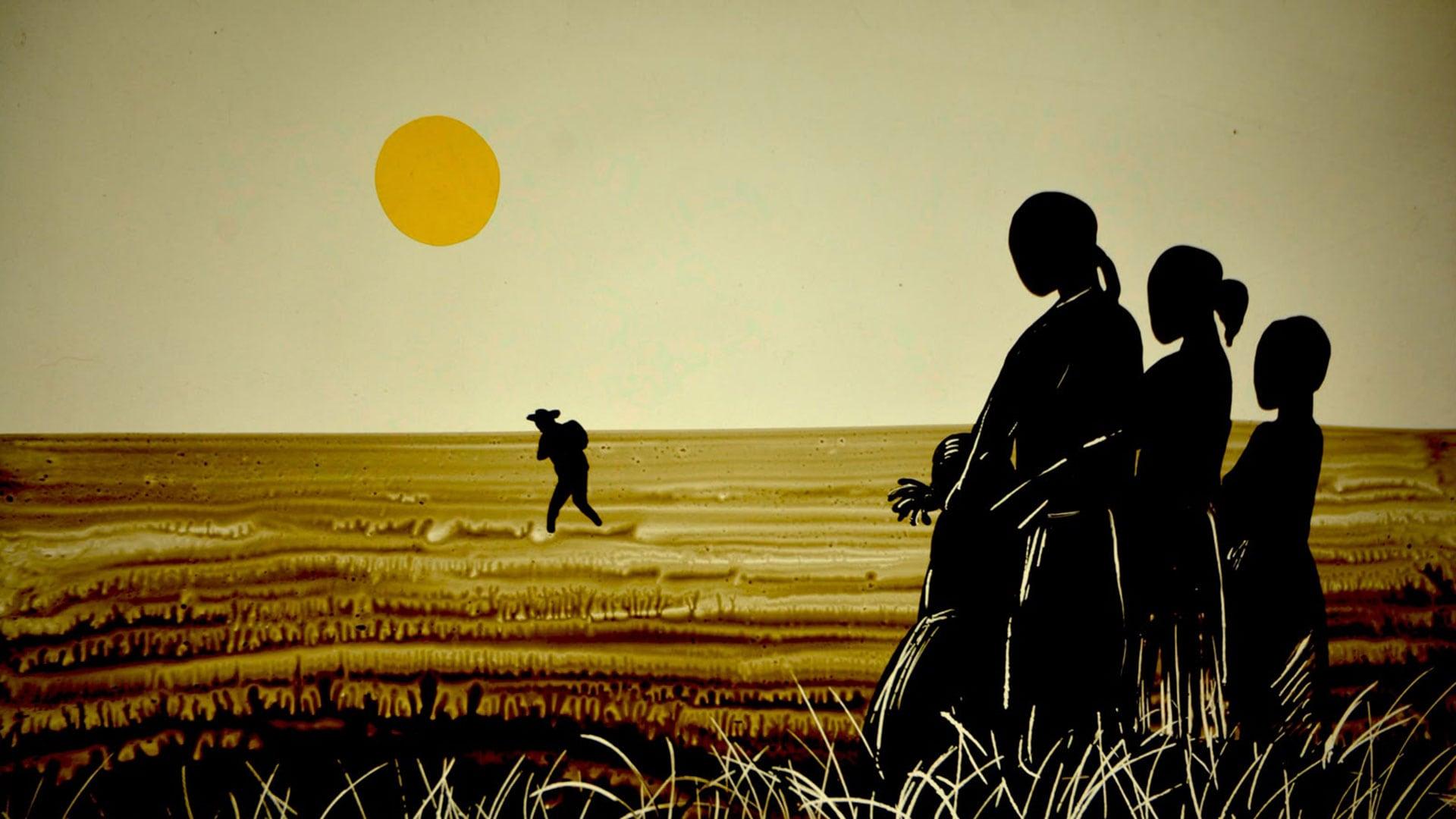
The first screening is on Wednesday the 11th at 7 pm, with a film by Inuit filmmaker Zacharias Kunuk whose title begins with Un día en la vida and continues with the name of its protagonist, Noah Piugattuk. It is a fiction based on real events about the forced relocations that Canada imposed on Inuit communities in Nunavut.
The film revolves around a talk between Piugattuk and a social worker. According to the curatorial text cited by Infobae, that talk becomes "an impossible conversation that starts over and over again".
At the end of the screening, a recorded talk with the filmmaker is shown.
Thursday 12: identity shorts and a feature from Oaxaca
At 6:30 pm on Thursday the 12th the first short film program, Cartografías de lo identitario, begins, with film and video art pieces that treat identity as a sensitive dimension. It includes Denilson Baniwa's work titled Ty Ty. Memorias de un picaflor, and Piel, a performance by Manuel Gabriel Tzoc Bucup.
Irati Dojura Landa Yagarí contributes Akababuru: Expresión de Asombro, and Ange Cayuman signs Fernando y su gato, which looks at the Mapuche diaspora in the years of Pinochet's dictatorship. Two works by younger Inuit filmmakers complete the list: Ulivia Uviluk presents Dialectos del inuktitut en el siglo XXI, while Eva Kaukai, together with Manon Chamberland, presents Canto de garzanta en Kangirsuk.
At 7:30 pm comes Chicharras, a feature-length fiction directed by Oaxacan filmmaker Luna Marán with the collective Yi: Hagamos lumbre. The script was written alongside the community of that region of Oaxaca, the Sierra Norte, and the organizers understand it as "a communal way of thinking".
Friday 13: the closing, in Mexico's native languages
On Friday the 13th at 6 pm the second short film program arrives, La lengua también es imagen, put together with LEMI, the space at the Universidad Autónoma de Querétaro (UAQ) that runs its own showcase of film in native languages. It has four works that mix fiction, documentary and experimentation: Tejedora de destinos, Techiq, Yaa Ye'e: Deidades de cuarzo and Ilhuícatl Nextli (Lo que el cielo sueña).
The cycle closes at 7:30 pm with Itu Ninu. Cumbres de maíz. Armando Bautista García wrote the script and Itandehui Jansen directed it. It is a futuristic dystopia about two migrants looking for a visa who use their mother tongue to think about meaning, affection and a possible future.
If you go
The showcase takes place at the Alianza Francesa de Buenos Aires, from Wednesday, November 11 to Friday, November 13. On Wednesday, the opening is at 7 pm. On Thursday there are two screenings, at 6:30 pm and 7:30 pm, and on Friday two more, at 6 pm and 7:30 pm.
Infobae's article does not give the ticket price or how to get tickets, so it is worth checking with the Alianza Francesa's own channels beforehand. This is the second edition, and most of the films will be seen in Argentina for the first time.
Source: Infobae
Keep exploring
El cine de nueve pueblos originarios llega a Buenos Aires con largometrajes y cortos inéditos ↗Stories worth sharing.