An opening with deals closed in the first hours
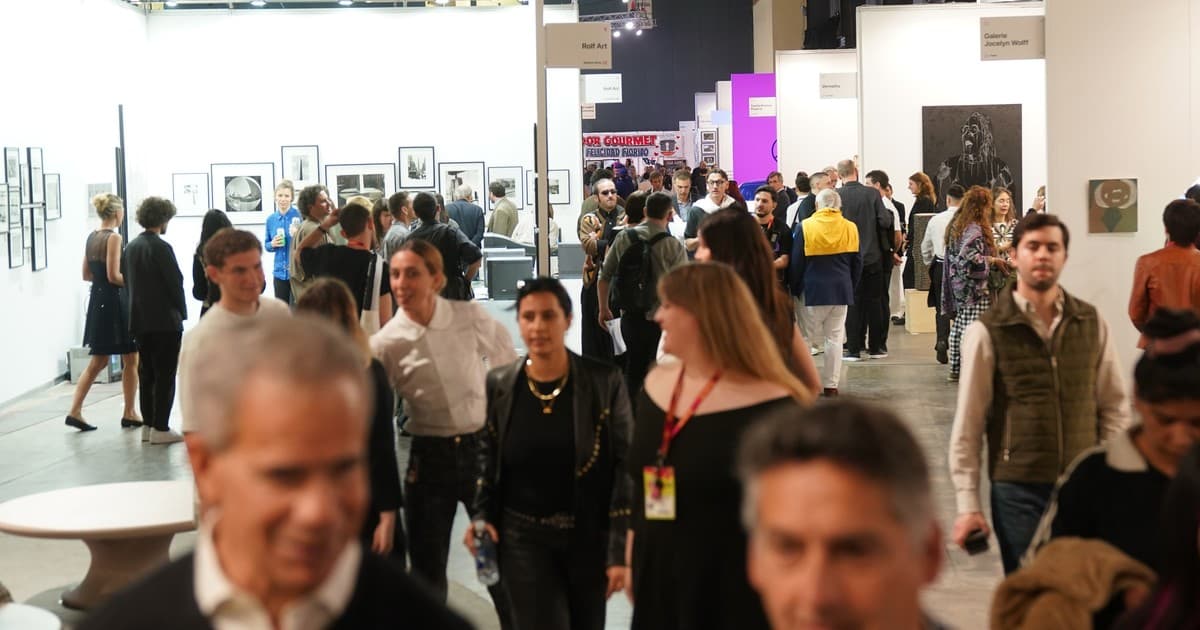
The arteba fair opened on Wednesday, October 28 at La Rural for its 35th anniversary edition, with a first day meant for collectors and professionals. The 69 participating galleries share a single 11,000 m2 pavilion, Clarín reported.
With select guests on site, deals were already closed during the first two hours and there was even a dispute over a single work. Several museums had reserved pieces in the pre-sale, and those purchases continue on Thursday.
The mood mixed good humor with caution. Some gallerists arrived with high expectations because prices for Argentine art in the low or reasonable range did not follow inflation, which made it a store of value. Others say there is no margin, so they built stands with many artists from each roster and a good amount of recent work.
Museums that buy and works that stand out
The Museo Nacional de Bellas Artes has already made its decision: it kept a large-format piece by Matías Duville at the Barro gallery. Duville is the artist whose installation is still on view in the Argentine pavilion at the Venice Biennale.
Victoria Noorthoorn, director of the Museo Moderno, improvised a small auction among those present to add a work by Benjamin and Felipe Alvarez, from the La Mesa gallery, which exceeded the museum's budget. Collectors chipped in and the gallery also offered a discount.
Among the masters there is work by Antonio Berni, Xul Solar and Julio Le Parc. Ruth Benzacar shows a cabinet of Murano glass pieces by Tomás Saraceno, who has a major exhibition at the Haus der Kunst in Munich. The international section gathers galleries from Lisbon, London, Paris and São Paulo, almost all with Argentine artists: Galerie Jocelyn Wolff highlights Diego Bianchi and Cecilia Brunson Projects features Claudia Alarcón and the Sïlat collective.
Tributes to Le Parc and Jacoby, and a young section
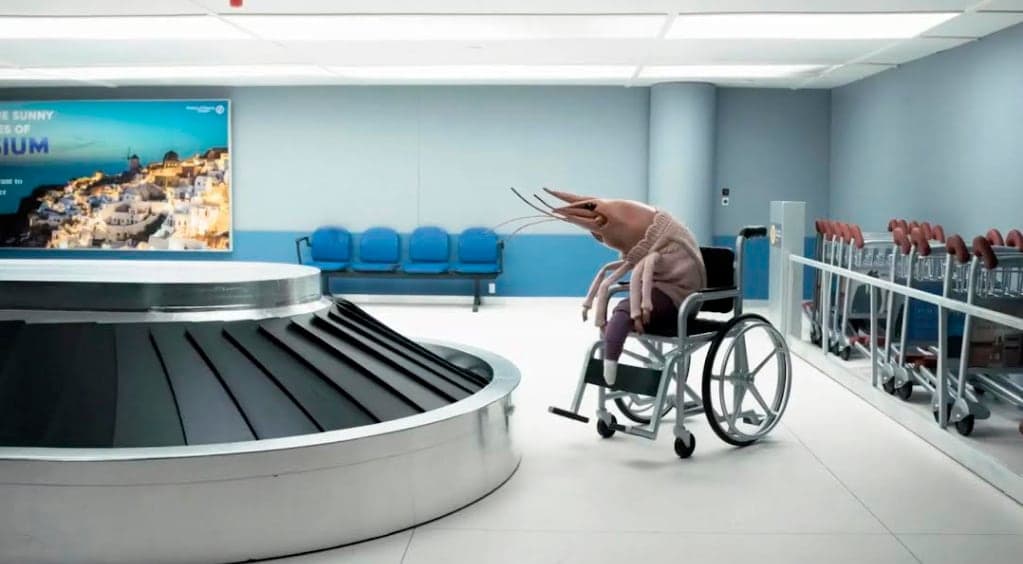
The Del Infinito gallery brings Le Parc's work for the first time without the artist present, since he died in May this year. Its director, Julián Mizrahi, explained that the tribute includes an enormous work at one of the entrances and a mini retrospective at the center of the stand. Some pieces were stranded at a Paris airport and are expected to arrive to complete the show.
At the Isla Flotante stand, a group of artists pays tribute to Roberto Jacoby, 82, who was invited by Cuauhtémoc Medina to the 25th Paiz Art Biennial in Guatemala. A display case shows the documentation of Anti Happening, from 1966, an action in which press releases and photos of a happening that never took place were sent out.
Utopía, the section for young spaces, adds ten new venues with works priced between 100 and 3,000 dollars. It is curated by Santiago Villanueva and the artist Juan José Cambre. Maitena, Sergio De Loof and Barby LaVogue appear there, along with the Fantasma space, which operates in an old house in Almagro.
Awards, talks and the acquisitions program
Independent curator Florencia Malbrán, a member of the selection committee, told Clarín: “The fair is a bridge to the world and a gateway to Argentine art.” She also praised the Acquisitions Program, which turns 21 this edition.
Through Sunday the fair adds an awards ceremony for artists and galleries, a series of conversations at the Museo Sívori and a constant turnover of the pieces that have sold.
If you go
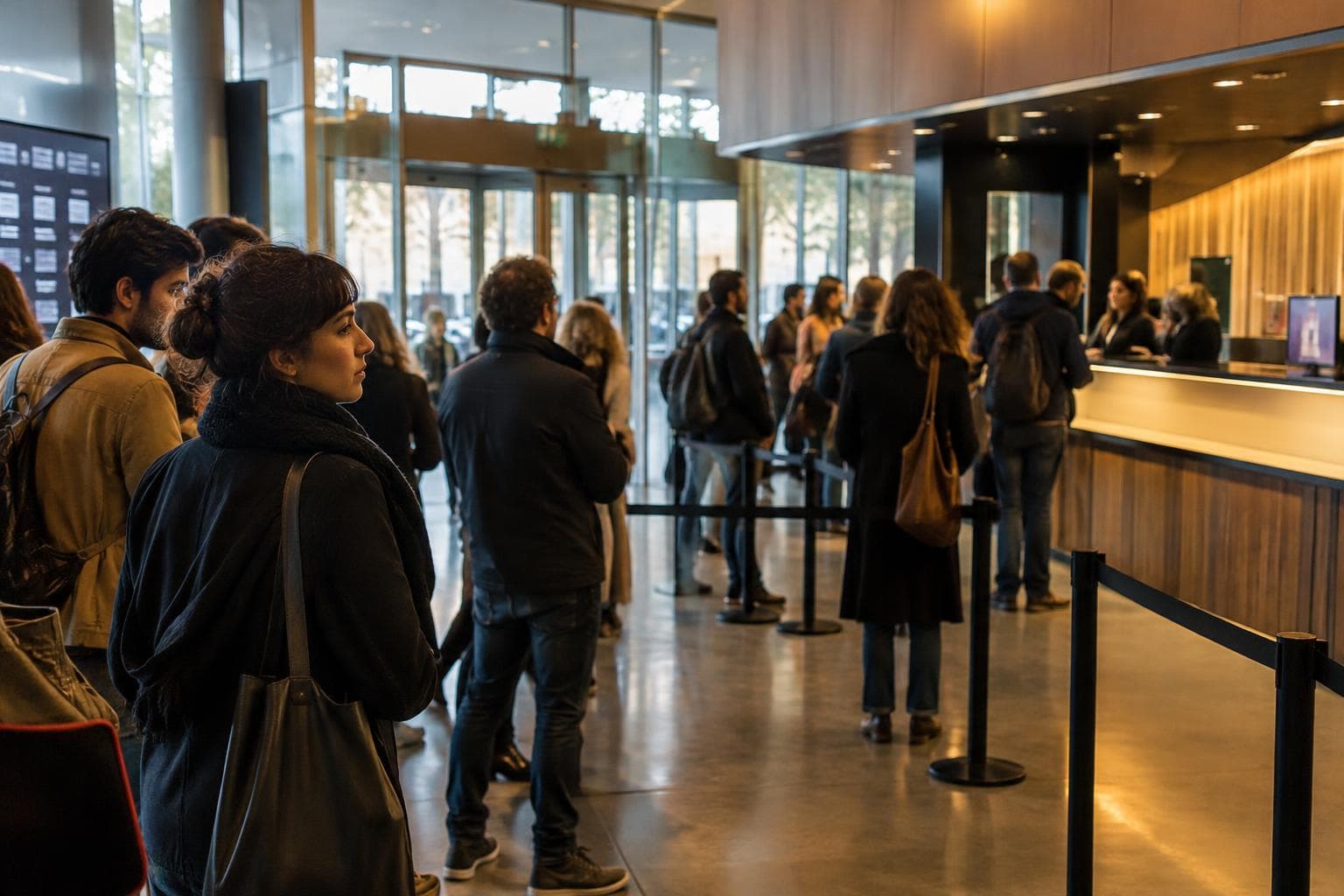
The public can enter from Friday, October 30 through Sunday, November 1, from 2 pm to 9 pm, and until 8 pm on Sunday, at La Rural. General admission costs $28,000 pesos, students and retirees pay half, CUD holders enter free with a companion and children under 10 do not pay.
The organizers recommend arriving by public transport or along the Avenida Las Heras corridor, and avoiding Avenida del Libertador, where traffic is restricted for the setup of installations for the visit of Pope Leo XIV. Because of that event the fair moved up by a week.
Source: Clarín
Stories worth sharing.