A federal appearance on public television
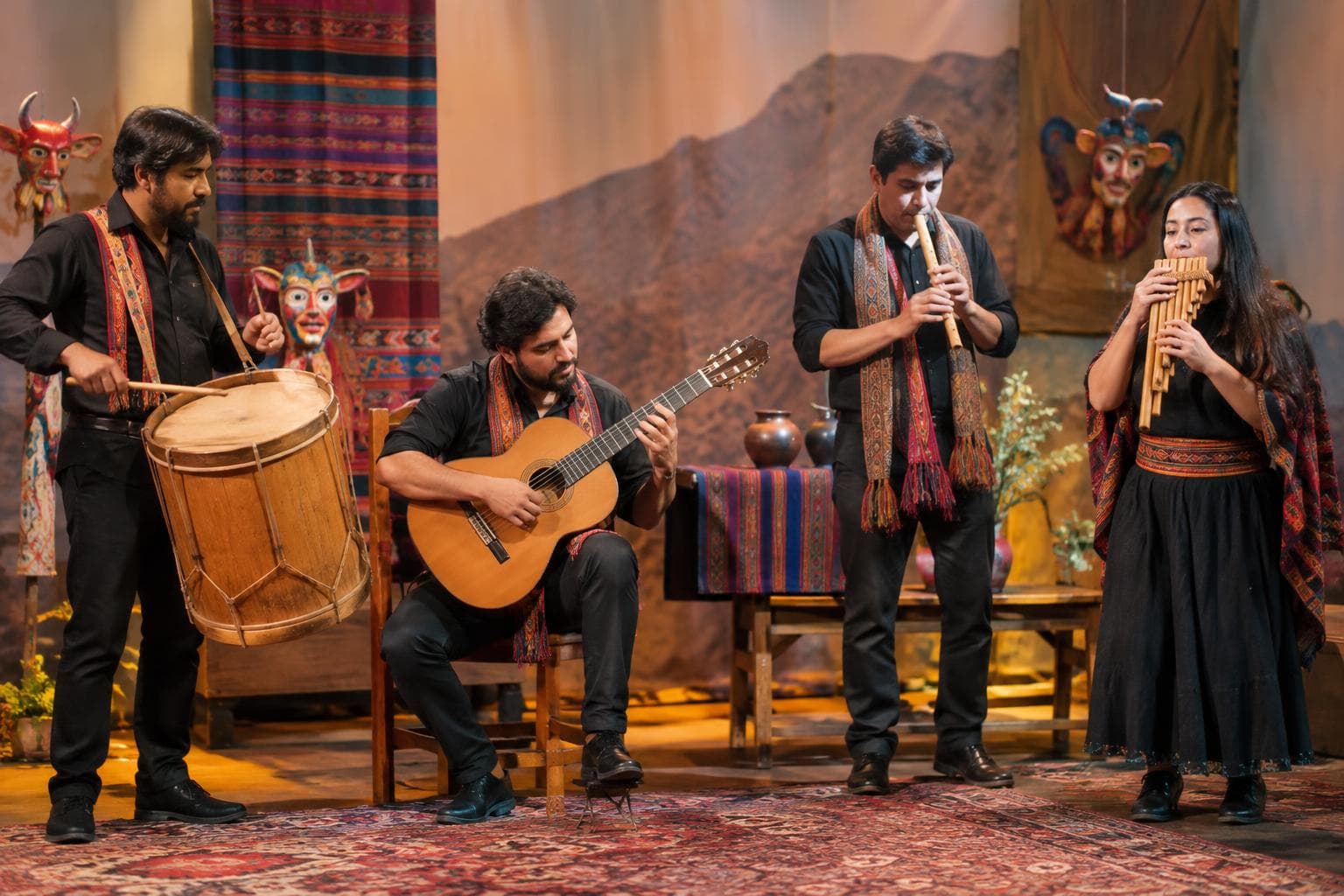
TV Pública published, on October 11, 2026, an episode of “Se Siente Argentina” focused on Diableros Jujeños, including a live performance by the group and a conversation led by Coki Ramírez about the identity of Jujuy carnival.
The segment brings forward a musical scene that does not always reach national programming on its own terms: coplas, carnival, community memory and the devil as a ritual figure rather than a tourist postcard.
Carnival as identity, not only as celebration
According to TV Pública’s publication, the conversation addressed the symbolism of the unearthing of the devil and the impact of the group’s music on tours through countries in the region. That helps place the appearance beyond a TV format: Jujuy carnival works as a shared cultural language linking music, territory and popular celebration.
Official context from Jujuy also places these expressions within a broad calendar. For Carnival 2026, the provincial government reported activities including the Jujuy Carnival Exhibition, Carnaval Grande, the Bajada de Diablos in Uquía and Maimará, and Martes de Chaya, milestones that show the celebration’s territorial depth.
Jujuy in dialogue with other stages
Jujuy’s Ministry of Culture and Tourism reported in January that figures from Jujuy music, including Diableros Jujeños, took part in the 60th edition of the Jesús María Festival, as part of a cultural promotion effort connected to Carnival 2026.
The TV Pública appearance adds another window for that circulation: it does not replace experiencing carnival in its territory, but it does bring some of its sounds, symbols and ways of telling its story to a national audience.
Keep exploring
TV Pública: Diableros Jujeños, música y carnaval ↗Prensa Gobierno de Jujuy: calendario oficial del Carnaval 2026 ↗Ministerio de Cultura y Turismo de Jujuy: carnaval jujeño en Jesús María ↗Stories worth sharing.