Two Buenos Aires poets in the same catalog
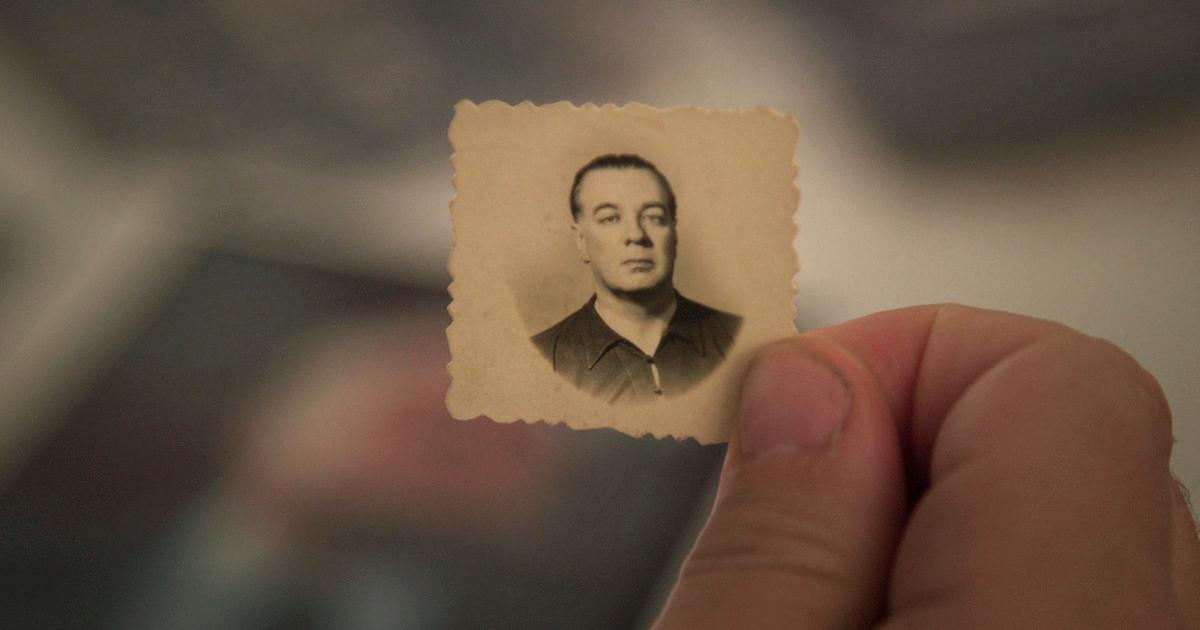
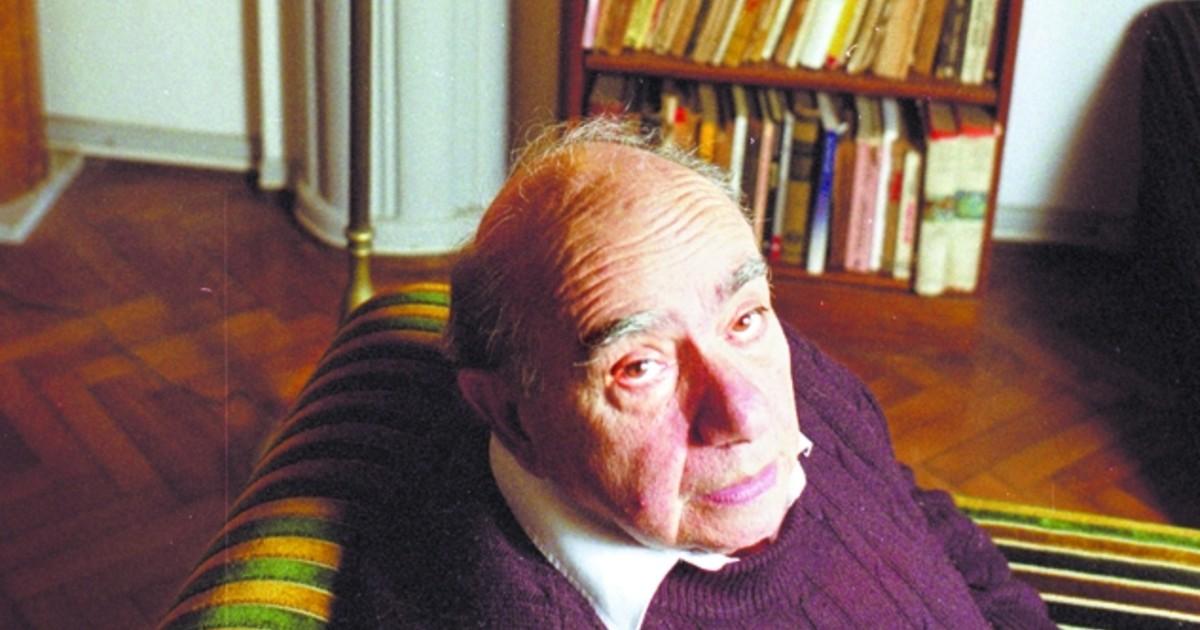
Alberto Girri and Joaquín O. Giannuzzi, two poets born in Buenos Aires, are back in bookstores with anthologies of little-known texts. According to Clarín, the publisher Seré Breve released El motivo es el ensayo, about Girri, and De la poesía lo espero todo, about Giannuzzi, one right after the other. Both books gather interviews, notes and other writings by each author.
Girri and Giannuzzi were contemporaries, but they did not share literary circles. Clarín presents them as two different ways of writing: one built on everyday speech and the other avoiding emotional outpouring. Now that they appear together in one catalog, they enter into conversation, and the points they share weigh more than their differences.
El motivo es el ensayo: Girri's view of literature
The volume on Girri collects press notes, lectures, radio broadcasts and translations. Its title forms a series with El motivo es el poema, a book from 1976, and with the reflection on poetry that the author regarded as central to his work.
The material comes from the collection held by the Biblioteca Nacional Mariano Moreno. Among the pieces never published before is the text of a lecture on Silvina Ocampo. Darío Rojo was in charge of the compilation.
Rojo suggests reading Girri's vision like someone photographing an abandoned amusement park, where behind the variety of rides a rustic mechanism can be sensed. Clarín admits the image is enigmatic, though enough to open the reading.
De la poesía lo espero todo: Giannuzzi in his own voice
For the second book, Jorge Fondebrider selected surveys, questionnaires and interviews that Giannuzzi gave between 1979 and 2001. The title comes from a 1983 interview. Fondebrider explains that he found it valuable to learn, from the author himself, the ideas and motives behind his writing.
According to the compiler, the conversations sketch the profile of an uncomfortable man. In them Giannuzzi describes himself as a gruff and bitter poet, a rearguard one, and Clarín points out that he distrusts the praise of the press and seems set on eroding his own author image.
Among his interviewers are Daniel Freidemberg and Ivonne Bordelois. In one of those answers Giannuzzi recalls meeting Héctor A. Murena at the newsroom of the daily Crítica, and he is grateful that Murena stepped in so he could publish poems in the magazine Sur and, later, his first book, Nuestros días mortales, from 1958, with Victoria Ocampo's publishing house.
Common ground between two voices of Argentine poetry
Clarín goes over several affinities. Both seek an impersonal expression, resist defining poetry and value twentieth-century American poetry. Both reject the beat generation, although Girri translated Gregory Corso and Lawrence Ferlinghetti.
They are also united by their admiration for Borges. Giannuzzi limits that recognition to his prose, while Girri is more emphatic and considers him the best poet of the Martín Fierro generation. Girri also draws close to T. S. Eliot when he thinks about the historical sense in poetry.
Another shared name is Murena. Giannuzzi adds Juan Rodolfo Wilcock as a friendship that felt strange to him, because they came from different social and cultural backgrounds. Clarín concludes that both occupy a side position in current Argentine poetry and that these books are also a call to pay attention to their work.
To understand the context
If you have not read either of them, here is the data sheet Clarín gives. El motivo es el ensayo, by Alberto Girri, is compiled by Darío Rojo and runs 162 pages. De la poesía lo espero todo, by Joaquín O. Giannuzzi, is compiled by Jorge Fondebrider and runs 128 pages. Both came out with Seré Breve.
Girri was born in Buenos Aires in 1919 and Giannuzzi, also in Buenos Aires, in 1924. If the tradition around them interests you, look at the names that run through both books: the magazine Sur, Victoria Ocampo, Borges, Murena and Silvina Ocampo.
Source: Clarín
Stories worth sharing.